 In today’s fast-paced world, noise pollution has become an unavoidable part of our daily lives. Whether it’s the sound of traffic, loud neighbours, or the hum of appliances, unwanted noise can significantly impact our comfort and well-being. As more people seek tranquility in their homes, innovative soundproofing solutions have emerged, particularly in the form of underlay technologies. In this comprehensive guide, we will explore the revolutionary underlay technologies that are transforming modern homes into peaceful sanctuaries.
Understanding Soundproofing
Before diving into the specifics of underlay technologies, it’s essential to understand the basics of soundproofing. Soundproofing refers to the methods and materials used to reduce the transmission of sound between spaces. This can be particularly important in multi-family dwellings, home offices, and entertainment areas where noise can disrupt daily activities.
Types of Sound
Sound can be categorized into two main types: airborne sound and impact sound.
- Airborne Sound: This type of sound travels through the air and includes voices, music, and other ambient noises. It is typically mitigated through the use of sound-absorbing materials and barriers.
- Impact Sound: This sound is generated by physical impacts, such as footsteps, dropped objects, or furniture movement. Impact sound is often more challenging to control, as it travels through solid materials.
The Importance of Underlay in Soundproofing
Underlay materials play a crucial role in soundproofing by acting as a barrier between the floor and the subfloor. They can significantly reduce both airborne and impact noise, making them an essential component of any soundproofing strategy.
Benefits of Soundproof Underlays
- Noise Reduction: The primary benefit of soundproof underlays is their ability to reduce noise transmission. This is particularly important in apartments and condominiums where shared walls and floors can amplify sound.
- Comfort: Soundproof underlays can enhance the overall comfort of a space by providing a softer surface to walk on, reducing footfall noise, and creating a more pleasant acoustic environment.
- Thermal Insulation: Many soundproof underlays also offer thermal insulation properties, helping to maintain a comfortable temperature in your home and potentially reducing energy costs.
- Moisture Protection: Some underlays come with moisture barriers, protecting your flooring from damage caused by humidity and spills.
- Easy Installation: Most soundproof underlays are designed for easy installation, making them a practical choice for DIY enthusiasts and professional installers alike.
Revolutionary Underlay Technologies
As technology advances, so do the materials and methods used in soundproofing. Here are some of the most innovative underlay technologies currently available:
Acoustic Foam Underlays
Acoustic foam underlays are designed to absorb sound waves, reducing both airborne and impact noise. Made from high-density foam, these underlays are particularly effective in home theatres, recording studios, and other spaces where sound quality is paramount.
- High Sound Absorption: Acoustic foam is engineered to absorb sound waves, minimizing echo and reverberation.
- Lightweight and Easy to Install: These underlays are easy to handle and can be cut to fit any space.
- Versatile Applications: Suitable for various flooring types, including carpet, laminate, and hardwood.
Rubber Underlays
Rubber underlays are known for their exceptional sound-dampening properties. They are particularly effective at reducing impact noise, making them an ideal choice for multi-story buildings.
- Durability: Rubber is a long-lasting material that can withstand heavy foot traffic without losing its soundproofing capabilities.
- Moisture Resistance: Many rubber underlays come with moisture barriers, protecting your flooring from water damage.
- Eco-Friendly Options: Some rubber underlays are made from recycled materials, making them a sustainable choice for environmentally conscious homeowners.
Mass Loaded Vinyl (MLV)
Mass Loaded Vinyl is a dense, flexible material that is highly effective at blocking sound transmission. It can be used as an underlay or installed directly on walls and ceilings for maximum soundproofing.
- High Density: MLV’s weight and density make it an excellent barrier against airborne sound.
- Flexible and Versatile: It can be easily cut and shaped to fit any space, making it suitable for various applications.
- Non-Toxic: Many MLV products are made from non-toxic materials, ensuring a safe indoor environment.
Cork Underlays
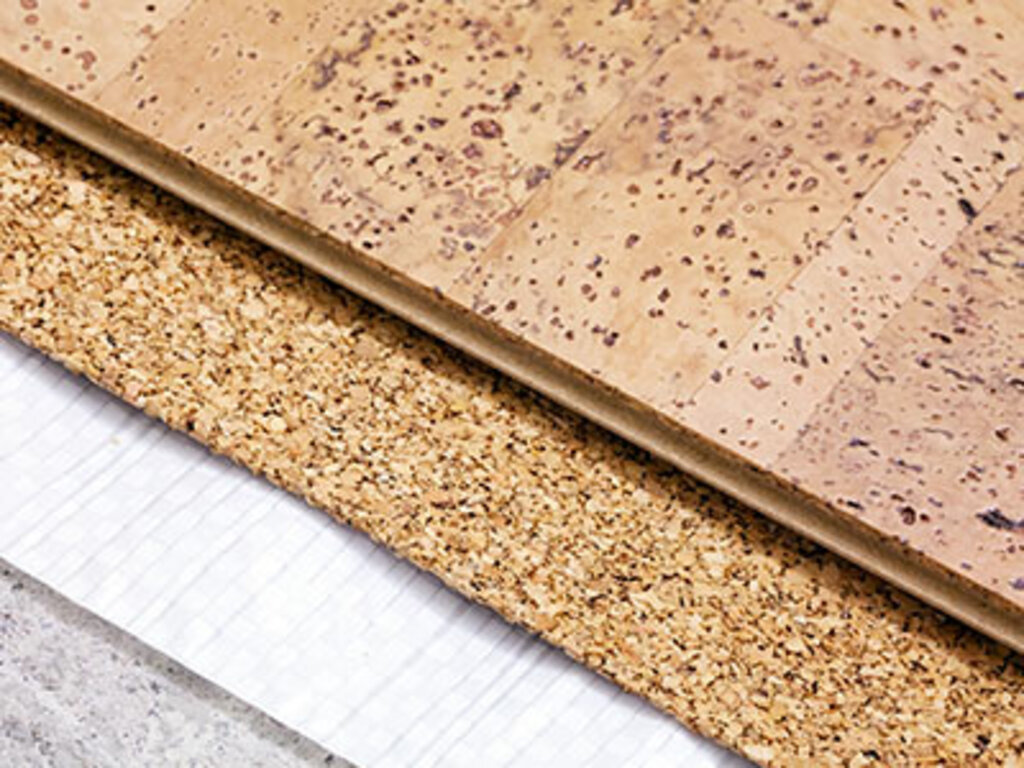
Cork is a natural soundproofing material that offers both acoustic and thermal insulation. It is an eco-friendly option that is gaining popularity in modern homes.
- Natural Sound Absorption: Cork’s cellular structure allows it to absorb sound waves effectively.
- Sustainable: Cork is harvested from the bark of cork oak trees, making it a renewable resource.
- Aesthetic Appeal: Cork underlays can add a unique aesthetic to your home, complementing various design styles.
Composite Underlays
Composite underlays combine multiple materials to enhance soundproofing performance. These underlays often include layers of foam, rubber, and other sound-absorbing materials.
- Enhanced Performance: The combination of materials allows for superior sound absorption and impact noise reduction.
- Versatile Use: Composite underlays can be used with various flooring types, making them a flexible choice for homeowners.
- Customizable Options: Many manufacturers offer customizable composite underlays to meet specific soundproofing needs.
Choosing the Right Underlay for Your Home
When selecting a soundproof underlay, several factors should be considered to ensure you choose the best option for your needs:
Type of Noise
Identify the type of noise you want to eliminate. If you’re primarily concerned about airborne noise, acoustic foam or MLV may be the best choice. For impact noise, rubber or composite underlays are more effective.
Flooring Type
Consider the type of flooring you have or plan to install. Some underlays are specifically designed for certain flooring types, so it’s essential to choose one that is compatible.
Budget
Soundproof underlays come in a range of prices. Determine your budget and look for options that provide the best value for your investment.
Installation Method
Consider whether you will be installing the underlay yourself or hiring a professional. Some underlays are easier to install than others, so choose one that fits your skill level.
Environmental Impact
If sustainability is a priority for you, look for eco-friendly underlay options made from recycled or renewable materials.
Installation Tips for Soundproof Underlays
Installing soundproof underlays can be a straightforward process if you follow these tips:
Prepare the Subfloor
Ensure that the subfloor is clean, dry, and free of any debris before installation. This will help the underlay adhere properly and improve its performance.
Measure and Cut
Measure the area where the underlay will be installed and cut the material to fit. Use a sharp utility knife for clean edges.
Lay the Underlay
Start laying the underlay from one corner of the room, ensuring that it fits snugly against the walls. If using multiple pieces, stagger the seams to prevent sound leakage.
Secure the Underlay
Depending on the type of underlay, you may need to secure it with adhesive or tape. Follow the manufacturer’s instructions for the best results.
Install Flooring
Once the underlay is in place, proceed with the installation of your chosen flooring material. Ensure that the flooring is properly aligned and secured.
Maintenance of Soundproof Underlays
To ensure the longevity and effectiveness of your soundproof underlay, regular maintenance is essential:
Clean Regularly
Keep the surface of your flooring clean to prevent dirt and debris from accumulating on the underlay. Use a vacuum or damp mop as needed.
Inspect for Damage
Periodically check the underlay for any signs of wear or damage. If you notice any issues, address them promptly to maintain soundproofing performance.
Replace When Necessary
Over time, soundproof underlays may lose their effectiveness. If you notice an increase in noise levels, it may be time to replace the underlay.
Conclusion
In a world filled with noise, creating a peaceful home environment is more important than ever. Revolutionary underlay technologies offer effective solutions for noise elimination, allowing homeowners to enjoy tranquility and comfort. By understanding the different types of soundproof underlays available and how to choose the right one for your needs, you can transform your living space into a serene sanctuary.
Investing in soundproof underlays not only enhances your home’s acoustic performance but also contributes to your overall well-being. Whether you’re looking to reduce noise from neighbours, create a quiet home office, or enjoy a peaceful night’s sleep, the right underlay can make all the difference. Embrace the soundproofing secrets of modern technology and take the first step towards a quieter, more comfortable home today.