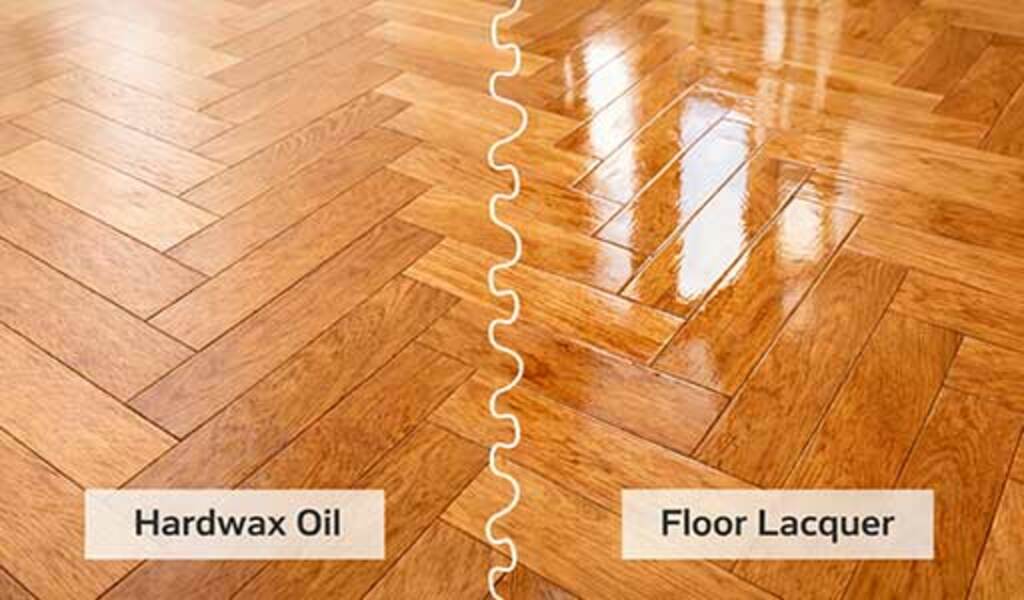
 When protecting and enhancing your wooden floors, the choice between hardwax oil and floor lacquer significantly impacts both aesthetics and durability. These two finishes offer contrasting benefits, and understanding their differences helps you make the right decision for your specific flooring needs.
Understanding Hardwax Oil
Hardwax oil represents a hybrid finish that combines the properties of traditional oils and modern protective coatings. This product penetrates the wood grain whilst simultaneously forming a protective surface layer. The result is a finish that showcases the natural beauty of your timber whilst offering robust protection against everyday wear.
The application process involves wiping hardwax oil directly onto the wood surface, making it relatively straightforward for both professionals and confident DIY enthusiasts. Unlike lacquer, hardwax oil doesn't create a thick plastic-like coating. Instead, it works with the wood rather than sitting on top of it, allowing the natural grain and colour variations to remain visible and prominent.
Key Characteristics of Hardwax Oil
- Appearance: Produces a natural, matte to satin finish that enhances wood grain whilst maintaining an organic look
- Penetration: Absorbs into the wood structure, protecting within
- Flexibility: Moves with the wood as it naturally expands and contracts seasonally
- Repairability: Damaged areas can be spot-treated without visible lines or seams
- Longevity: Requires recoating every 2-4 years, depending on foot traffic
Understanding Floor Lacquer
Floor lacquer creates a hard, protective shell across your wooden surface. This finish sits on top of the wood rather than penetrating it, forming a glossy or semi-gloss coating that's highly resistant to moisture and staining. Lacquer has been a traditional choice for decades and remains popular in many households across the UK.
Application requires more technical expertise, typically involving spray equipment to achieve an even, professional finish. The lacquer hardens through evaporation, creating a durable layer that protects against spills, scratches and general wear. However, this rigid surface means the finish can sometimes highlight rather than hide wood movement.
Key Characteristics of Floor Lacquer
- Appearance: Delivers a glossy, polished finish that highlights wood colour and grain definition sharply
- Surface Protection: Forms a tough protective barrier above the wood surface
- Moisture Resistance: Excellent protection against spills and humidity when properly maintained
- Clarity: Enhances wood colour depth and creates a more formal, finished appearance
- Longevity: Typically lasts 5-10 years before requiring complete recoating
Durability and Performance Comparison
Durability depends significantly on your household's specific demands. Hardwax oil performs exceptionally well in moderate-traffic domestic settings and naturally masks minor scratches due to its matte finish. The wood's natural patina develops over time, creating character and disguising wear patterns.
Floor lacquer excels in high-traffic areas and provides superior moisture protection, making it ideal for kitchens and bathrooms. However, once the lacquer layer becomes damaged, repairs require complete sectional refinishing. Scratches appear more conspicuous on glossy lacquered surfaces, and the finish can feel plasticky underfoot for some people.
Maintenance Requirements
Hardwax oil demands more frequent but less intensive maintenance. You'll need to reapply a maintenance coat annually or biannually, depending on traffic levels. Cleaning involves using specialist hardwax oil cleaners that prepare the surface for reapplication. This regular attention keeps the finish refreshed and protective without requiring full sanding and refinishing.
Lacquer needs less frequent maintenance but requires more thorough cleaning regimes. Standard wood floor cleaners work well, but you must avoid excess moisture. When lacquer finally wears, the entire floor typically requires professional sanding and refinishing, which proves more disruptive and expensive than hardwax oil maintenance.
Cost Considerations
Initial installation costs generally favour hardwax oil, which costs less to apply and requires minimal specialist equipment. Many homeowners undertake hardwax oil application themselves, further reducing expenses.
Lacquer installation requires professional application due to equipment and expertise demands, increasing upfront costs considerably. However, the extended interval between full refinishings can balance long-term expenditure. Factor in maintenance products and your time commitment when calculating true lifetime costs.
Aesthetic Differences
Your preferred visual outcome should heavily influence your decision. Hardwax oil suits those wanting to showcase authentic wood character, vintage aesthetics or natural interiors. The finish matures beautifully over the years, developing a subtle patina that many find desirable.
Lacquer appeals to those preferring a polished, contemporary look. The high-gloss finish creates a dramatic visual impact and formally showcases premium timber species. It's particularly effective for exotic hardwoods where depth and colour saturation matter aesthetically.
Environmental and Health Considerations
Modern hardwax oils typically contain lower VOC (volatile organic compound) levels compared to traditional lacquers. Many contemporary hardwax oil products are water-based or eco-friendly formulations, making them better choices for health-conscious households with young children or pets.
Lacquers still contain solvent-based components that release fumes during application. Whilst curing times have improved, professional application in well-ventilated spaces remains essential for safety.
Which Should You Choose?
Select hardwax oil if you prioritise:
- Natural wood aesthetics and authentic appearance
- Ease of maintenance and spot repairs
- Lower initial installation costs
- Flexibility with seasonal wood movement
- Environmental sustainability
Select floor lacquer if you prioritise:
- Maximum moisture and stain resistance
- High-traffic area performance
- Glossy, polished formal finishes
- Extended intervals between full refinishing
- Contemporary design aesthetics
Final Recommendations
The best finish ultimately depends on your specific circumstances, aesthetic preferences and lifestyle demands. Hardwax oil suits most domestic properties, particularly those with moderate foot traffic and natural interior styles. Lacquer remains superior for kitchens, bathrooms and high-traffic commercial-residential spaces.
Consider your floor's existing condition, your maintenance commitment level and your budget constraints. Many professionals recommend hardwax oil for its versatility, repairability and modern performance standards, but lacquer retains legitimate advantages for particular applications and preferences.