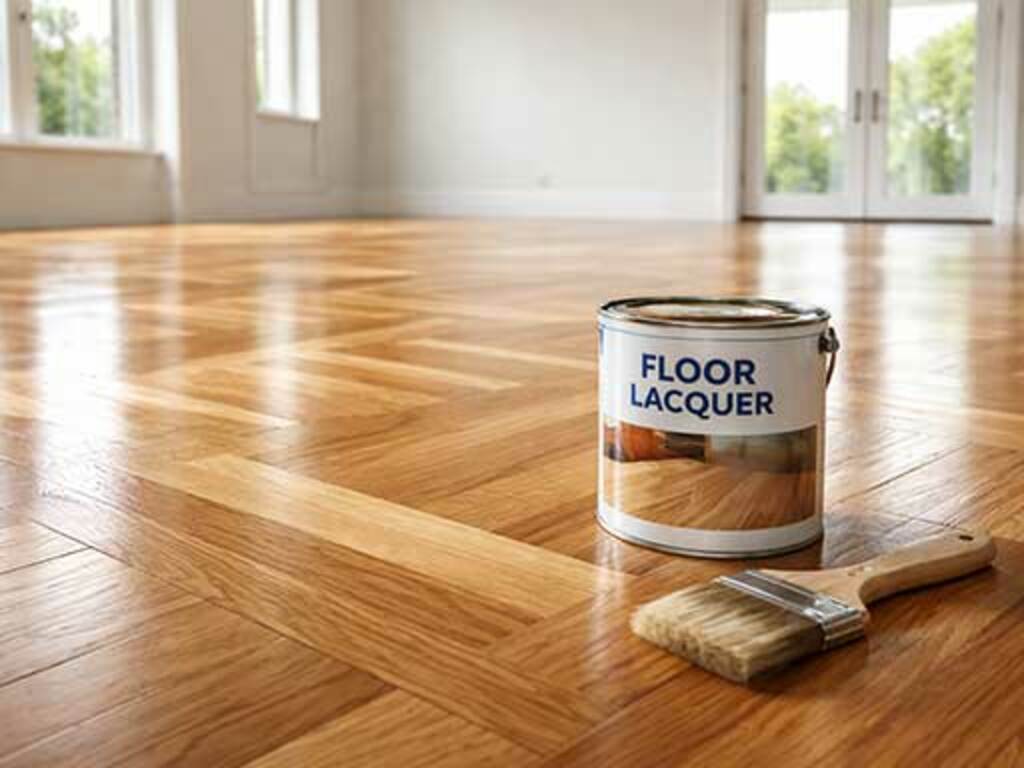
 Determining how many coats of lacquer a wood floor needs is essential for achieving a durable, professional finish that will withstand daily wear and tear. The answer depends on several factors, including the type of lacquer product, the wood species, and your intended use. Most flooring professionals recommend between two and four coats of lacquer for residential applications, though commercial spaces may require additional layers for enhanced protection.
Why Multiple Coats Matter
A single coat of lacquer cannot provide adequate protection for wood floors. One application will dry too thin to offer genuine durability, leaving the wood vulnerable to scratches, moisture damage, and UV fading. Multiple coats build upon each other, creating a robust protective barrier that seals the wood grain effectively. Each successive layer also enhances the visual depth and clarity of the finish, resulting in a more professional appearance.
Standard Coating Requirements
Two-Coat Systems
A two-coat lacquer system represents the absolute minimum for wood floors, typically used only for low-traffic areas or as a temporary solution. Products from manufacturers like Blanchon offer two-coat systems that can work adequately in bedrooms or studies where foot traffic remains minimal. However, this approach limits the longevity of your floor and provides only basic protection against minor scratches and dust.
Three-Coat Application
Three coats of lacquer are the standard recommendation for most residential wood floors. This provides excellent durability for moderate to high-traffic areas, including living rooms, hallways, and kitchens. Bona lacquer systems are engineered for three-coat application, delivering a finish that resists daily wear effectively. Three coats create sufficient depth to obscure minor dust particles that become trapped during application, resulting in a cleaner final appearance.
Four-Coat Specifications
Four coats represent the premium approach for wood floors, particularly suitable for high-traffic commercial spaces or households with pets and young children. Pallmann lacquer products are designed to support four-coat systems, offering maximum durability and longevity. This approach extends the time between refinishing, reducing long-term maintenance requirements and protecting your investment for many years.
Key Factors Affecting Coat Numbers
Several variables influence how many coats your specific wood floor requires:
- Wood Type: Dense hardwoods like oak and maple may need fewer coats than softer woods such as pine, which absorb finish more readily
- Traffic Level: High-traffic commercial properties require more coats than residential bedrooms
- Existing Finish: Refinishing over old lacquer may require different coat numbers than new installations
- Lacquer Viscosity: Thicker lacquers may cover adequately in fewer applications
- Application Method: Spray application typically requires fewer coats than brush or roller methods due to superior coverage
- Environmental Conditions: Temperature and humidity during application affect coat thickness and curing
- Manufacturer Specifications: Always follow specific recommendations from Blanchon, Bona, or Pallmann products
Application Process and Drying Times
Preparation Between Coats
Proper preparation between lacquer applications is crucial for adhesion and final quality. Lightly sand the dried surface with fine-grit sandpaper (220–320 grit) to promote mechanical bonding for the next coat. Vacuum thoroughly to remove all dust particles, as these will create defects in your finish. Allow adequate drying time between coats—typically 4–8 hours for water-based lacquers and 6–12 hours for solvent-based products, depending on temperature and humidity conditions.
Curing After Final Coat
The final coat requires an extended curing time before the floor can withstand normal use. Bona lacquer finishes typically cure fully within 3–5 days, though light traffic can resume after 24 hours in ideal conditions. Pallmann systems may require up to 7 days for complete hardening. Avoid moisture exposure and heavy furniture placement during this critical period to prevent damage to the uncured finish.
Professional Recommendations by Scenario
Different situations call for tailored approaches to lacquer coating:
- New Hardwood Installation: Apply 3–4 coats for residential use; 4–5 coats for commercial applications
- Floor Refinishing: 2–3 coats over properly prepared existing finishes; 3–4 coats if stripping to bare wood
- Kitchen and Bathroom Floors: Minimum 3 coats due to moisture exposure; consider 4 coats in areas with frequent water contact
- Hallways and Entryways: 4 coats recommended for high-traffic zones experiencing heavy foot traffic daily
- Bedroom and Lounges: 2–3 coats are sufficient for low-traffic residential spaces
- Commercial Spaces: 4–5 coats standard; specialist systems like Pallmann may support additional protective layers
Choosing the Right Lacquer Product
Water-Based Lacquers
Water-based lacquers from manufacturers like Bona offer environmental benefits and faster drying times, typically requiring 4–8 hours between coats. These products produce minimal odour and volatile organic compound emissions, making them suitable for occupied properties. They may require slightly more coats than solvent-based alternatives due to lower solids content, though modern formulations have narrowed this gap considerably.
Solvent-Based Lacquers
Solvent-based lacquers, including traditional options from Blanchon, often provide superior hardness and may achieve adequate protection in fewer coats. However, extended drying times (6–12 hours or longer) make projects slower, and strong odours require ventilation during application. These products offer exceptional durability for high-performance applications.
UV-Resistant Formulations
Pallmann and other premium manufacturers offer UV-protective lacquers that resist fading in sun-exposed areas. These specialist products may require different application protocols, sometimes allowing fewer coats whilst maintaining superior protection against ultraviolet damage.
Common Mistakes to Avoid
Applying a few coats to save time or money is false economy—inadequate lacquering requires premature refinishing, creating higher long-term costs. Conversely, exceeding manufacturer recommendations can cause finish instability, peeling, or excessive thickness. Rushing between coat applications before proper drying compromises adhesion and durability. Failing to sand between coats reduces bonding effectiveness, whilst inadequate ventilation traps solvent vapours, affecting curing quality.
Final Recommendations
For most residential wood floors, three coats of quality lacquer provide an optimal balance between durability and efficiency. This approach satisfies modern expectations for finish longevity whilst remaining cost-effective. High-traffic areas and commercial properties should commit to four coats for superior performance. Always follow specific manufacturer instructions from your chosen product—whether Blanchon, Bona, or Pallmann—as formulations vary in application requirements. Invest in proper preparation and patience between coats; shortcuts compromise the entire project's success. Professional installation typically ensures optimal results, though careful DIY application following these guidelines can achieve comparable outcomes.